
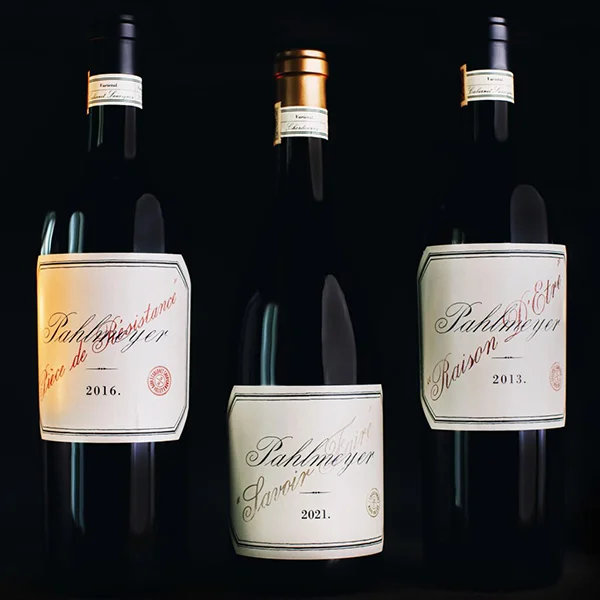
Pahlmeyer Winemaker Katie Vogt reflects on the 2026 harvest, the decisions that shape a wine, and four decades of pursuing excellence.
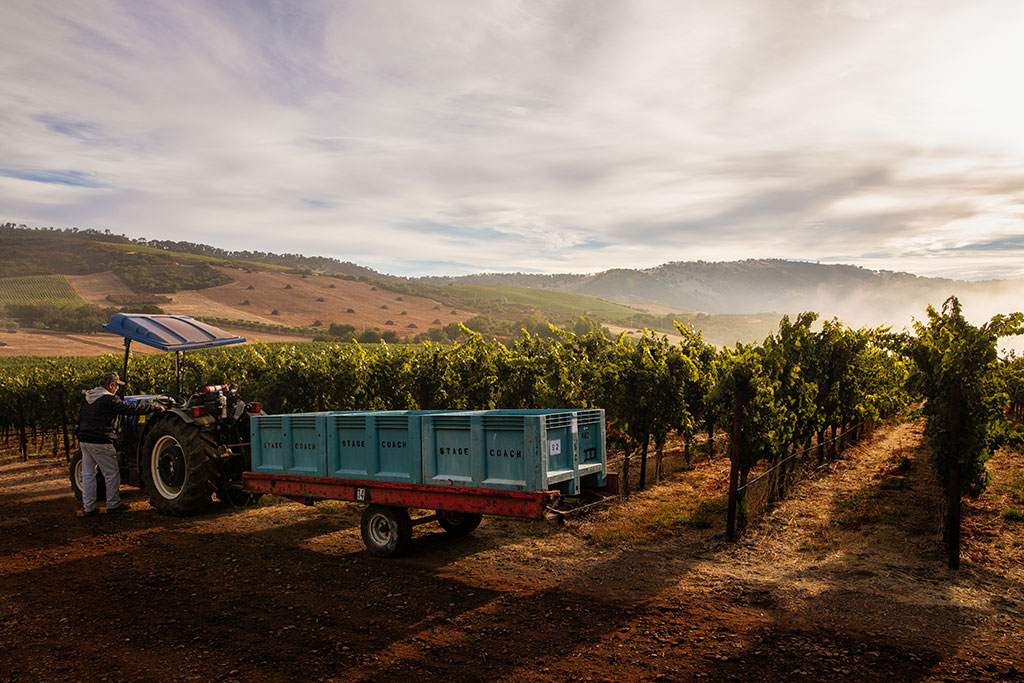
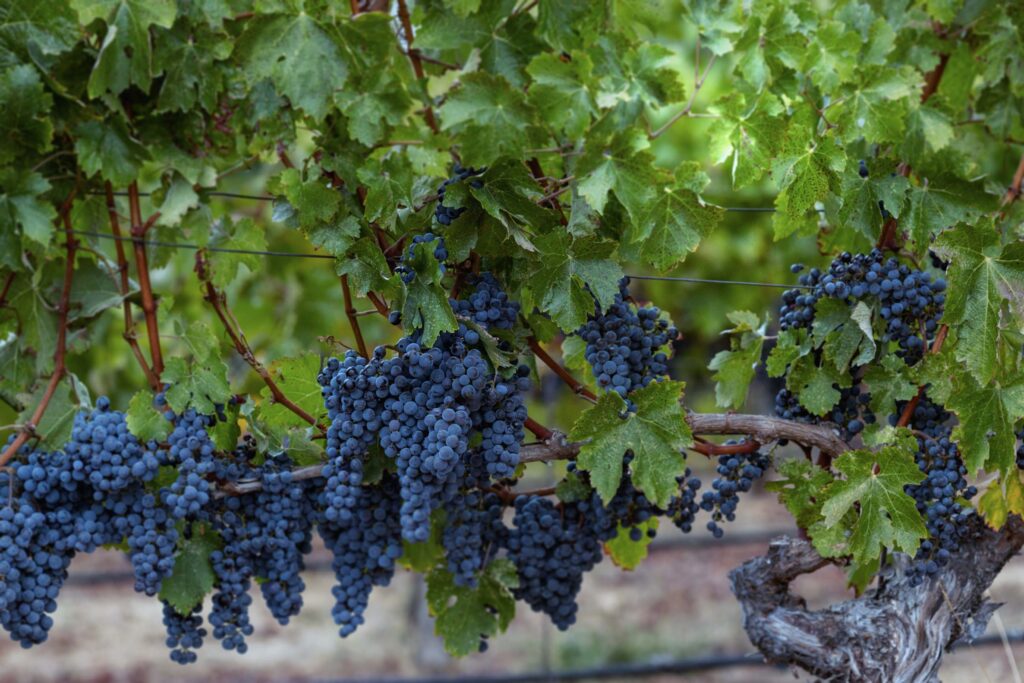
This year, I made a picking decision I’d never made before in my career: harvesting Cabernet Sauvignon in August. Our Upper Range fruit came in on August 31, marking the earliest Cabernet harvest I’ve ever experienced.
I’ll admit, making that call was a little nerve-wracking. But at the end of the day, the vines don’t care whether it’s the middle of August or the middle of September. What matters is the timing of bud break and everything that happened in the vineyard between then and harvest.
People always ask me, “What’s the formula for Pahlmeyer?” A year like this is a case in point. There are no formulas. It’s about reading the vintage, taking what it gives you, and making it the best version of itself through the lens of Pahlmeyer.
An Early Vintage, on Its Own Terms
The 2026 growing season began with an unusually early bud break, setting the pace for everything that followed.
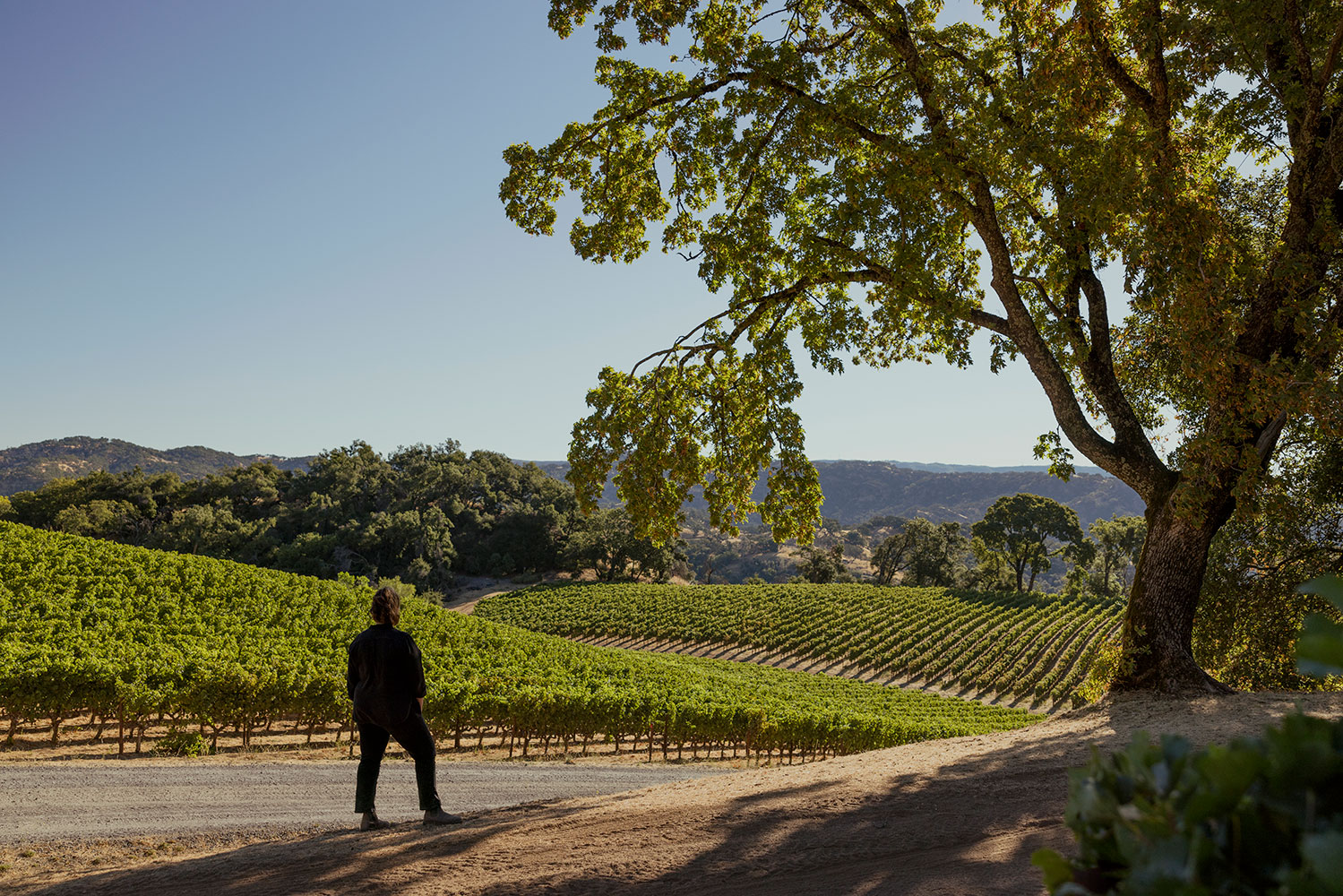
We experienced a relatively mild summer, and while we thought the season might eventually settle into a more typical timeline, just enough warmth in August kept us on that early trajectory. We began picking Sauvignon Blanc in August, and from there, harvest unfolded at a fairly steady pace. We were fortunate to avoid extreme heat that can complicate a growing season, particularly in our mountain vineyards.
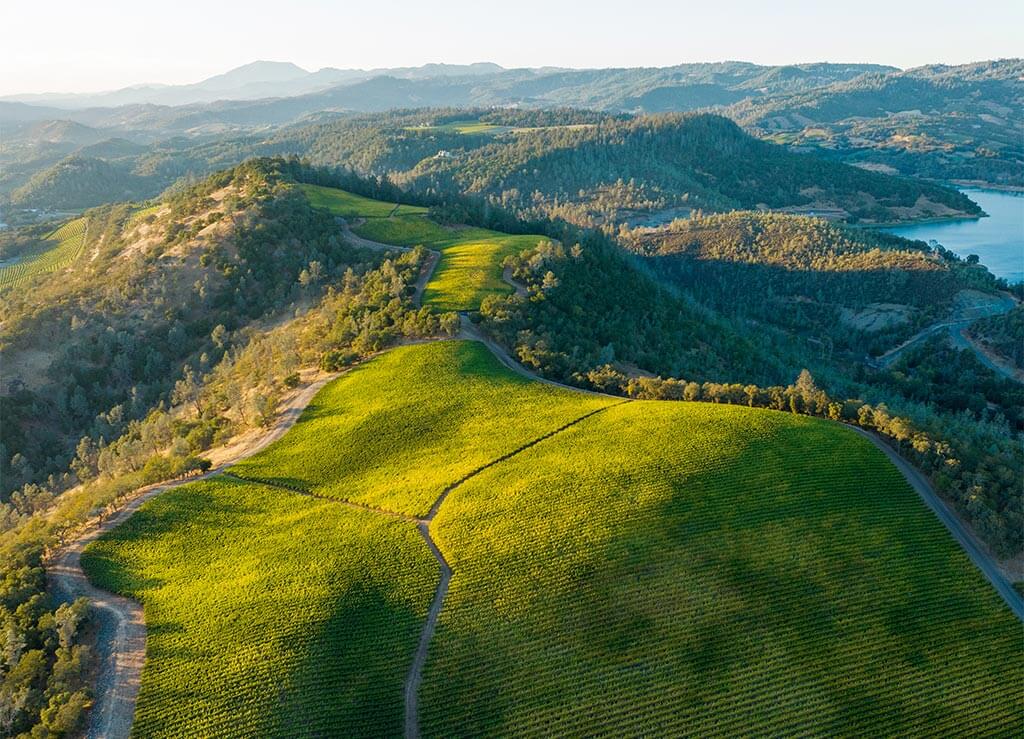
Farming at elevation, cooler and milder vintages can play to our strengths. We benefit from extended sunlight, which gives us an advantage in developing intensity and allowing fruit to mature. The lighter crop and moderate vine canopies also meant that our irrigation needs were minimal, and many of our blocks were dry farmed this year. Yields were considerably lower than anticipated, but smaller crops often present opportunities for greater concentration and flavor development. Overall, I’m very encouraged by the quality of fruit we brought into the winery.
What the Fruit Tells Us
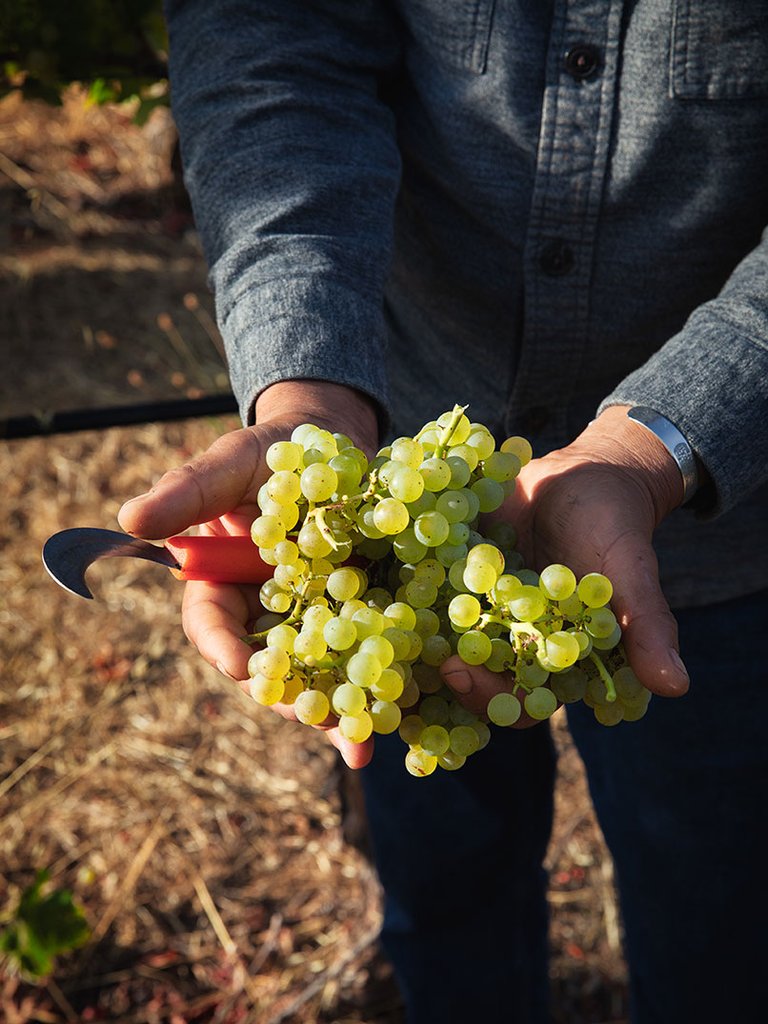
Tasting Chardonnay in the vineyard is a very different experience from tasting Cabernet Sauvignon.
With Chardonnay, there’s a much more direct relationship between what we taste on the vine and what we can expect after fermentation. We make the picking decision, bring the fruit into the winery, and whole-cluster press it. The flavors I experience in the vineyard are a remarkably good indication of what the wine will become.
This makes tasting Chardonnay in the vineyard particularly revealing. You can develop a clear sense of the vintage’s potential before the fruit ever reaches the cellar. And I have to say, tasting our 2026 Chardonnay was exciting. The fruit showed beautiful freshness and acidity, and I believe this will be an exceptionally high-quality, age-worthy vintage for Chardonnay.
With Cabernet Sauvignon and our other red varieties, the journey from vineyard to finished wine is much more involved. Tasting the fruit is essential to deciding when to pick, but it’s only the beginning of a much longer series of decisions.
The Decisions That Shape Our Red Wines
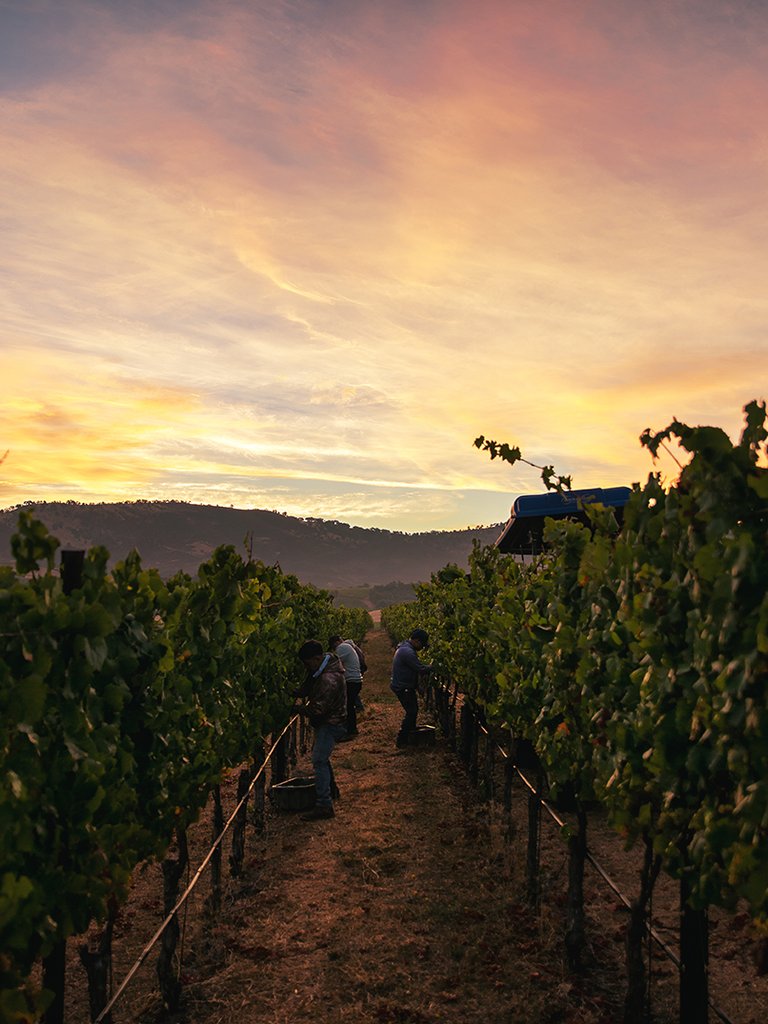
Once we bring red grapes into the winery, every step offers an opportunity to influence how the wine develops.
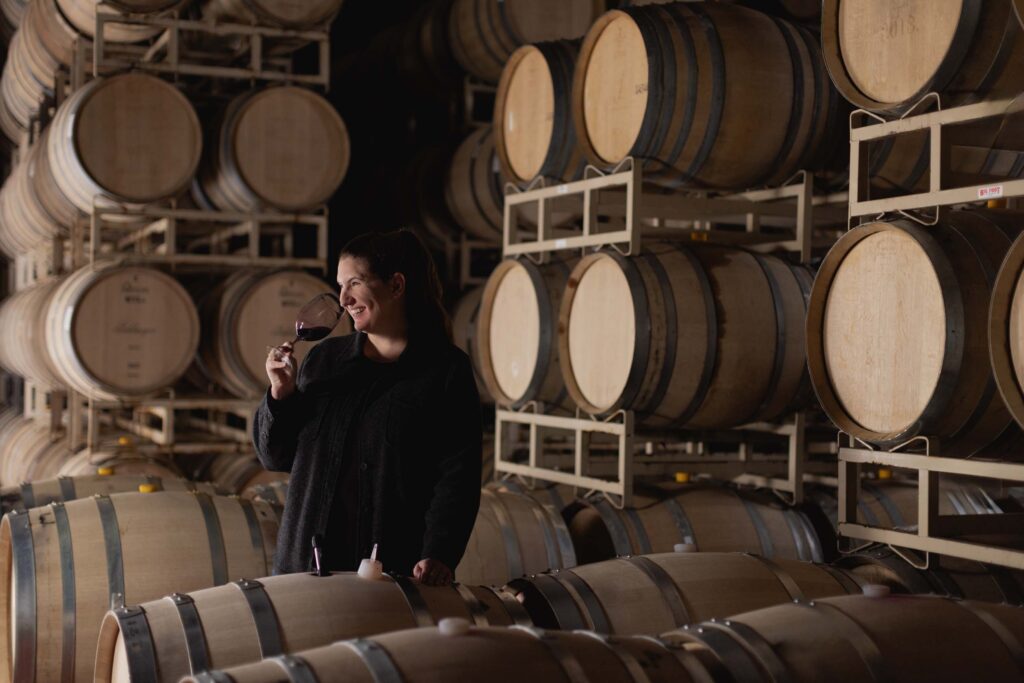
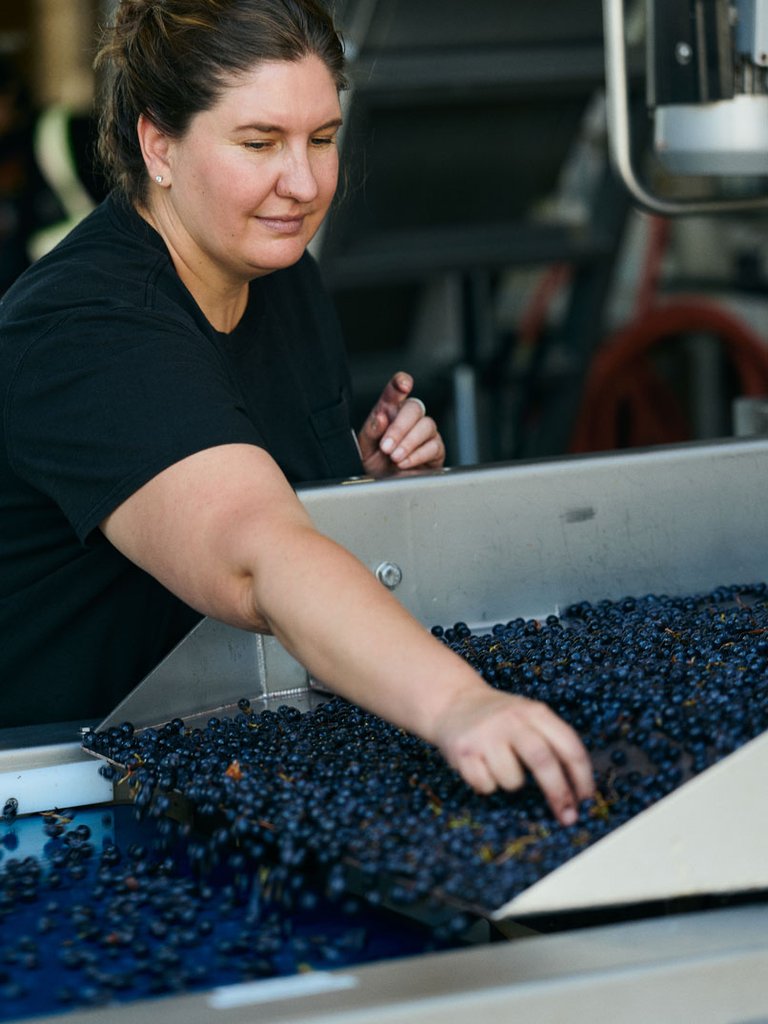
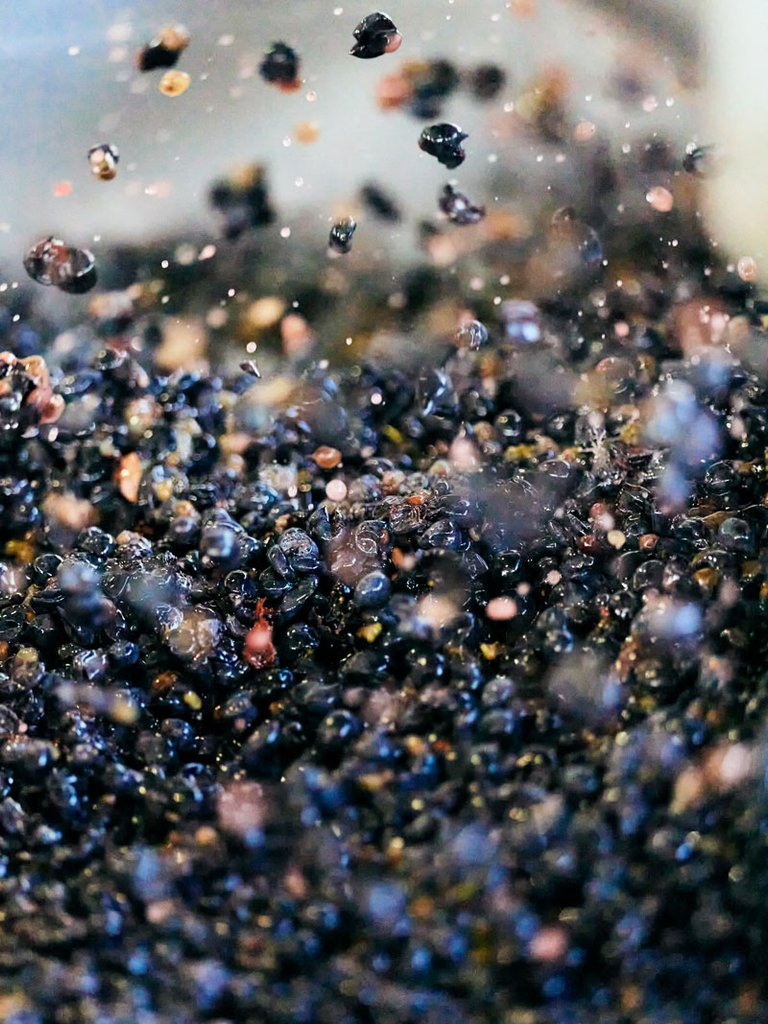
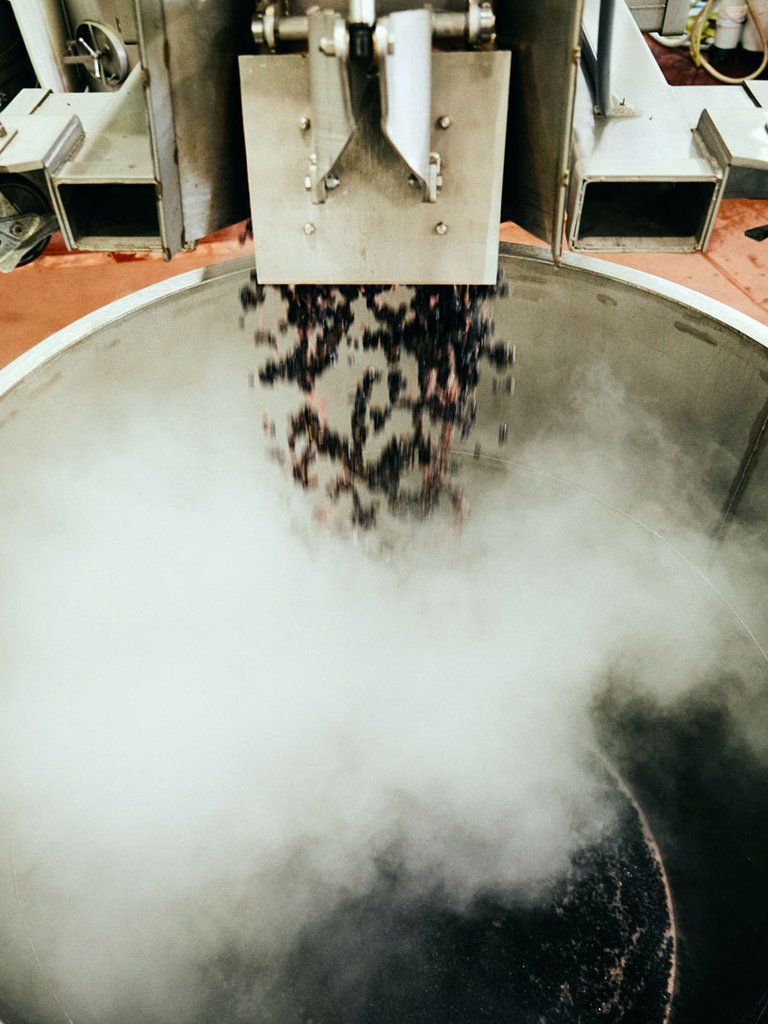
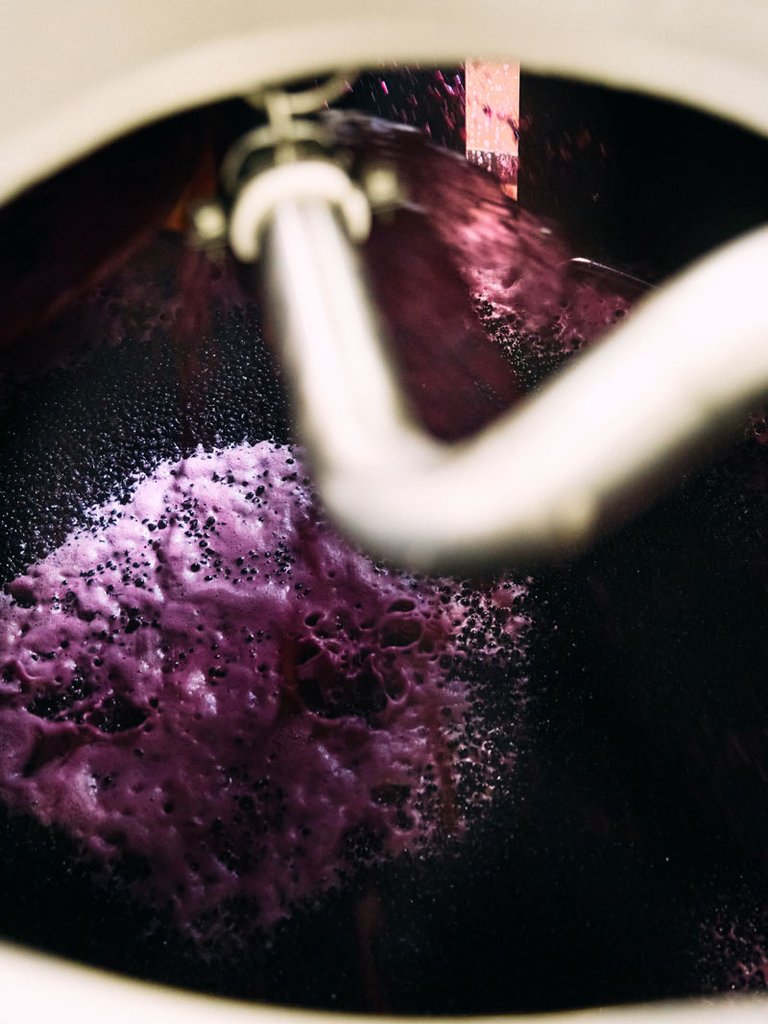
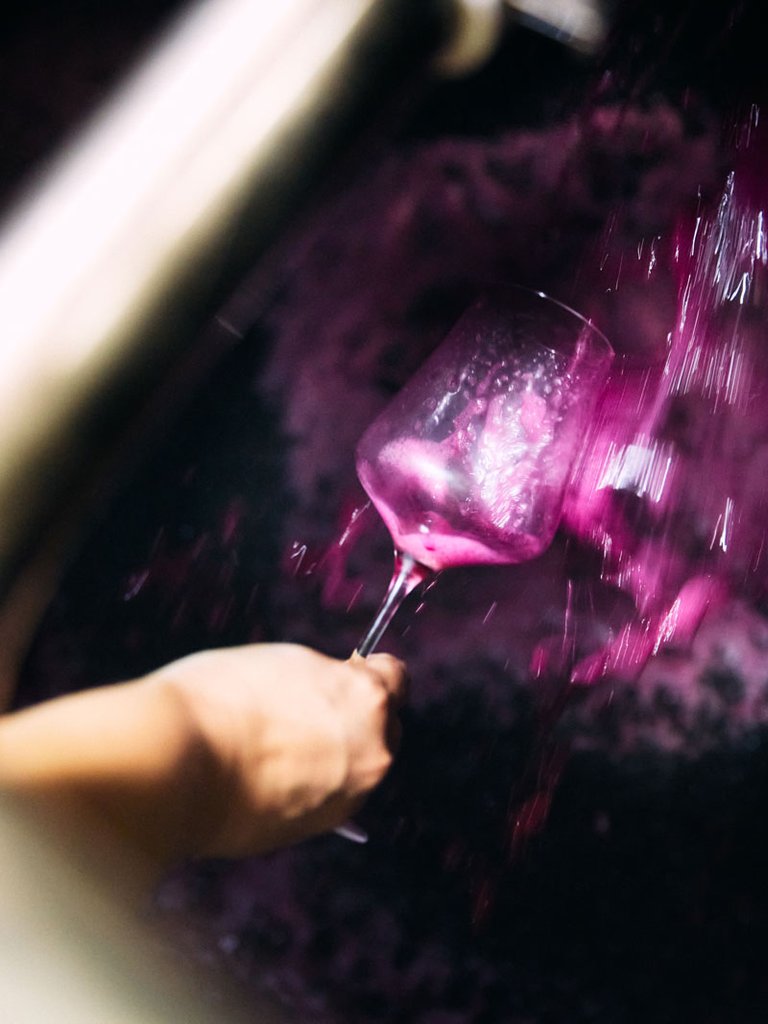
We begin with destemming and sorting, including optical sorting, where we make decisions about how selectively to sort the fruit. From there, we consider extraction during fermentation. How frequently should we pump over the tanks to extract color, flavor, and tannin from the skins? How long should the wine remain in contact with those skins? When is the right moment to press? And which portions of the pressed wine should we incorporate?
Each decision has the potential to influence the wine’s eventual texture, structure, and character.
The 2026 reds have been particularly interesting in this respect. We saw relatively low tannin levels in our reds, so achieving the texture and mouthfeel we’re looking for required a little more extraction than I would typically employ. This is where experience, observation, and constant evaluation come together. You can’t simply repeat what worked in a previous vintage and expect the same result. The fruit tells you what it needs, and you adjust your approach accordingly.
Inside the Cellar: The Work Continues
Although harvest finished early, there’s plenty happening in the winery.
Our white wines are moving through the next stages of fermentation and élevage. As primary fermentation finishes, we’re topping up the Chardonnay barrels in preparation for malolactic fermentation and beginning the process of stirring the lees. We approach lees stirring very thoughtfully, evaluating each lot individually rather than following a rigid schedule. During malolactic fermentation, many of our Chardonnay lots are stirred approximately every other week, but we taste each one before making that decision. If the wine doesn’t need additional stirring, we don’t do it simply because the calendar says it’s time.
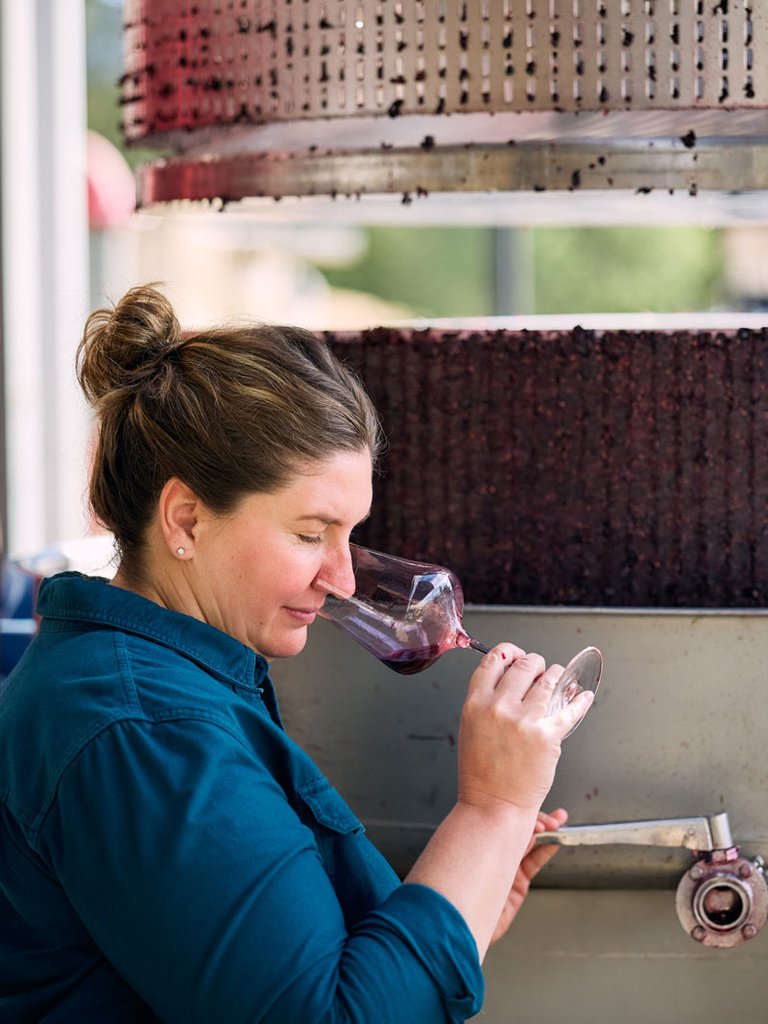
We’re also beginning our first comprehensive evaluations of the new vintage, pulling samples from individual lots, tasting, and monitoring their chemistry and fermentation progress. It’s a period of constant assessment, as we taste, monitor, and evaluate each lot while the wines continue to develop.
The Red I’m Watching Most Closely
Of all the red varieties we brought in this year, Merlot has me particularly excited.
I’ve always thought of Merlot as one of Pahlmeyer’s somewhat undercover calling cards. We produce a distinctive and compelling expression of the variety, and the 2026 fruit has remarkable intensity and character. At this early stage, I think Merlot has the potential to be the standout red variety of the vintage. I’m really looking forward to seeing how those wines evolve following malolactic fermentation.
There’s still a great deal of work ahead, and the wines will continue to reveal themselves over time. But based on what we’ve seen and tasted so far, I’m very optimistic about the quality of 2026.
Forty Harvests, One North Star
As Pahlmeyer marks four decades of winemaking, I find myself thinking less about what we’ve accomplished in any single vintage and more about how we’ve grown, building upon the experience of every vintage that came before.
My philosophy has always been to get a little better every year. That’s our north star, and it guides everything from our decisions in the vineyard to the smallest adjustments we make in the cellar.
— Katie Vogt, Winemaker